
The year that sticks - 2026
Every January, the same story plays out.
People set big goals. They commit to doing more. Training harder. Being better. And by February, most of that energy has faded.
This is not a motivation problem. It is not a discipline problem. It is not a willpower problem.
It is a systems problem.
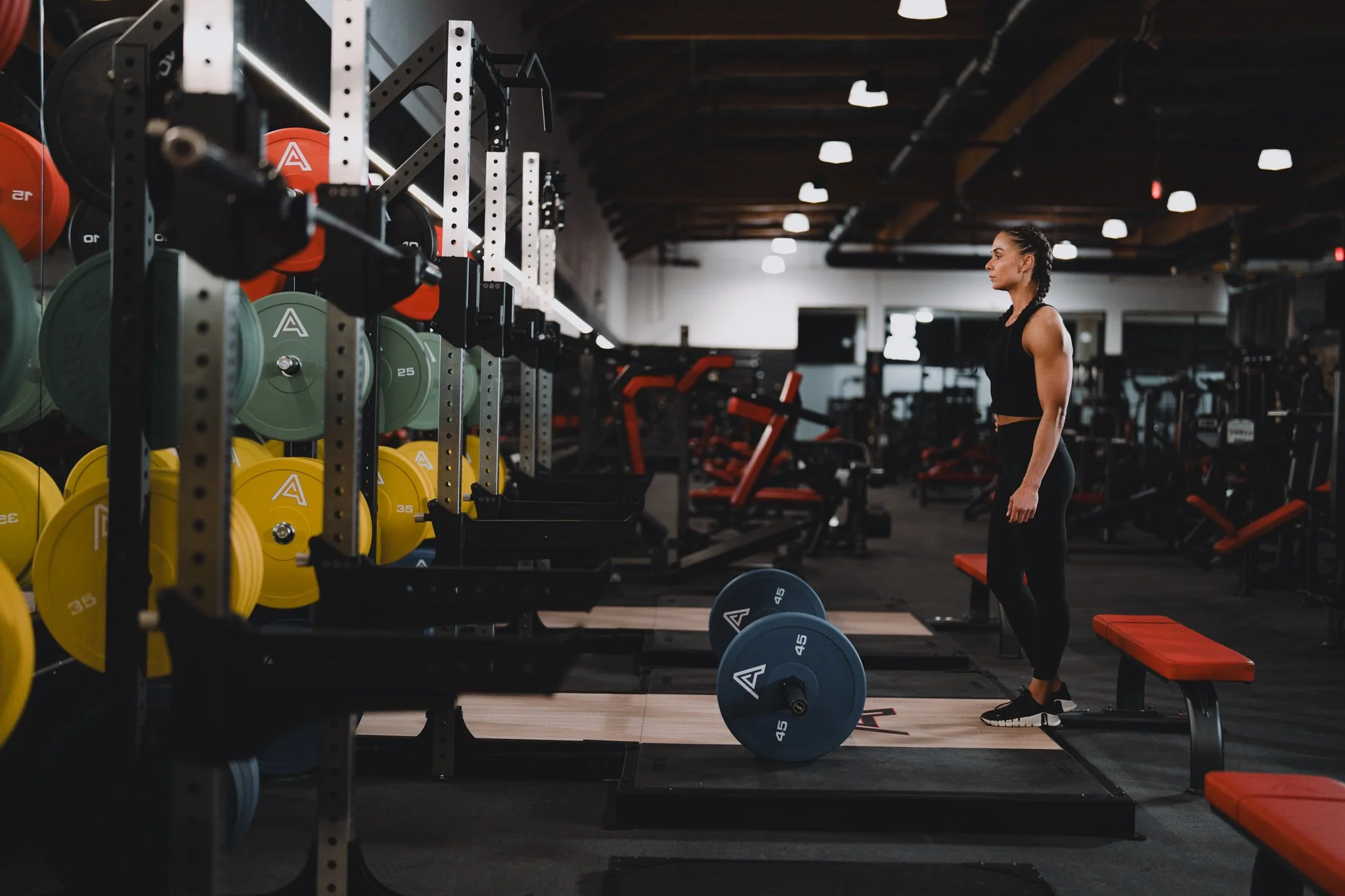
We see this every year. And we built our entire club around solving it.
We did not build this place on pressure, hype, or promises of dramatic change. We built it on the understanding that real progress happens when the pace is sustainable and the environment does the heavy lifting. When movement fits naturally into your life. When recovery is available the moment your body needs it. When support is present without being loud. Rhythm replaces force. Consistency replaces urgency. And over time, the work becomes something you return to not because you should, but because it feels right to do so.
This is the year that sticks
+
This is the year that sticks +
Behavior science is clear on one thing: Lasting habits are built by repetition.
Research in behavioral psychology shows that habits form when an action is:
Easy to repeat
Supported by cues and routine
Rewarding enough to return to
Integrated into daily life
Most January fitness resolutions fail because they rely on motivation alone. Motivation is volatile. It rises when life feels calm and disappears when stress, fatigue, or time pressure show up.
What actually drives consistency is environment.
When the environment reduces friction, habits feel automatic.
When the environment adds friction, even the most driven people burn out.
This is why asking someone to “try harder” rarely works.
And why building a better system does.
The real shift is not reinvention. It is support.
We believe the most powerful reframe in wellness is this:
You do not need to become someone new.
You need an environment that supports who you already are.
Someone who wants to feel better in their body.
Someone who values their time.
Someone who wants training to feel intelligent, not punishing.
Someone who understands that recovery is not a luxury. It is part of the plan.
When people stop chasing drastic change and start building small, repeatable rituals, something shifts. Progress feels steadier. Confidence grows. Consistency stops feeling fragile.
That is where momentum lives.
Why environment matters more than motivation
Think about the habits that already stick in your life. Brushing your teeth. Making coffee. Charging your phone.
They stick because:
The tools are close
The routine is familiar
The friction is low
The reward is immediate
Training and recovery are no different.
When people have to drive across town for classes, then somewhere else for recovery, then figure out programming on their own, consistency breaks down. Decision fatigue takes over. The habit collapses.
We built SCAC to remove those barriers.
One space.
One routine.
One place that supports the full cycle.
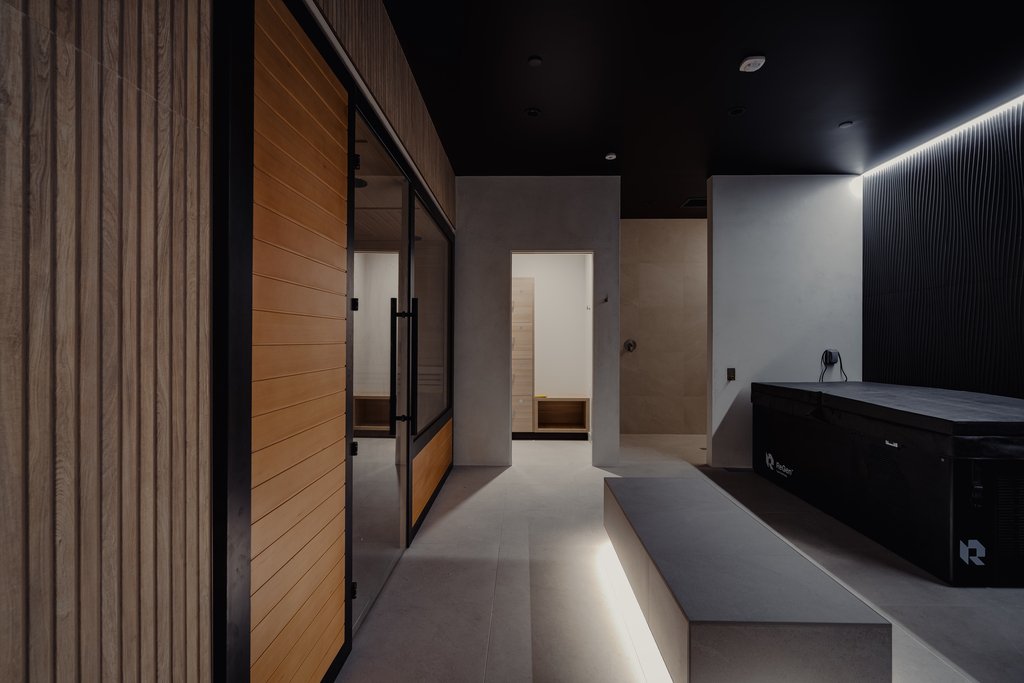
Training works better when recovery is built in
Physiology supports what experience has long confirmed. Recovery is not something that happens after training is finished. It is what allows training to work in the first place. Strength is built during rest, not during exertion. The nervous system finds balance through parasympathetic activation. Joint health, tissue repair, and hormonal stability all depend on adequate recovery inputs. When recovery is treated as optional, people push until they stall or step away altogether. When it is woven into the routine, showing up becomes easier, progress feels steadier, and consistency stops feeling fragile.
Consistency improves when the body feels cared for, not depleted.
Consistency does not look the same for everyone. In real life, it adapts to the person, their body, and the season they are in. For some, consistency feels calm and grounding. For others, it is restorative, a way to regain balance and energy. And for others, it is performance-driven and efficient, focused on maintaining strength, speed, and resilience without unnecessary wear.
We see these patterns play out every day across our community. The person focused on mobility and longevity builds confidence through joint-friendly strength, balance work, and recovery that feels steady, calming, and safe. The person seeking nervous system regulation finds relief in structured routines that restore energy instead of draining it, helping them feel clearer and more regulated as the weeks pass. The person driven by performance relies on data, recovery, and intelligent programming to train hard while protecting their body, so progress continues without burnout.
Different goals bring people through our doors, but the foundation remains the same. A space designed to support repetition. An environment that removes friction. A place where showing up feels possible, again and again.
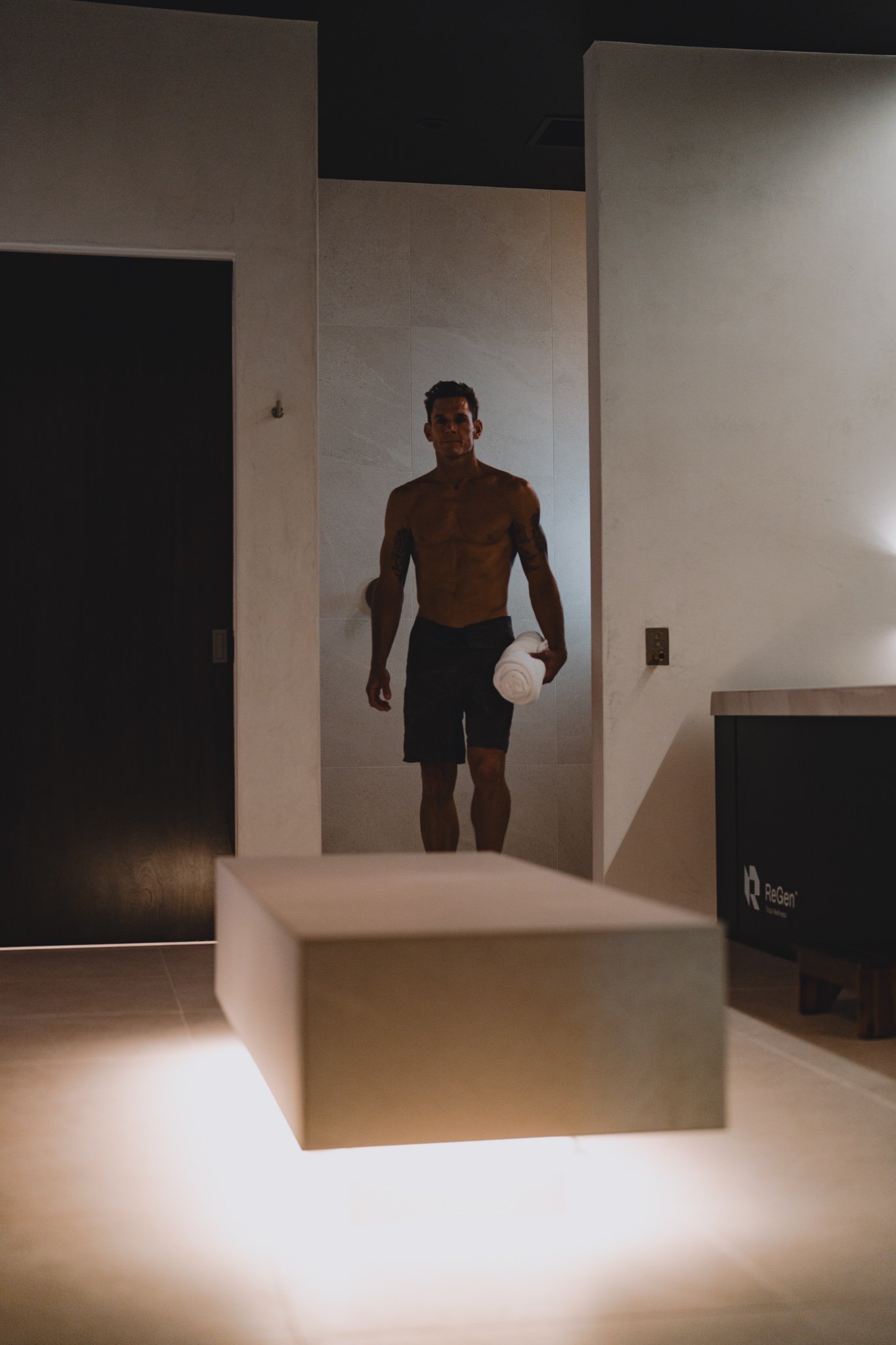
Why small rituals outperform big plans
Smaller rituals, done consistently, produce stronger and more durable results than ambitious plans that only survive a few weeks.
There is a common belief in fitness that bigger plans lead to bigger results. We have found the opposite to be true. Lasting progress is not built on complexity or intensity. It is built on repeatability. Smaller rituals, done consistently, produce stronger and more durable results than ambitious plans that only survive a few weeks.
Both physiology and experience support this. Ten training sessions spread across a month will create more meaningful adaptation than a technically perfect program followed briefly and abandoned. Two recovery sessions a week support tissue repair, nervous system balance, and hormonal stability far better than pushing through fatigue for the sake of effort. Showing up imperfectly sustains momentum. Waiting for ideal conditions quietly erodes it.
This is why we focus on routines that are effective without being overwhelming. We build structures that feel good enough to repeat, progress that unfolds without pressure, and systems that work within real lives rather than idealized schedules. Our goal is not maximal output. It is sustainable input.
When people feel safe to show up as they are, they keep showing up. And when consistency is protected, progress compounds. That is the difference between short-lived January energy and the steady momentum that carries people through the entire year.
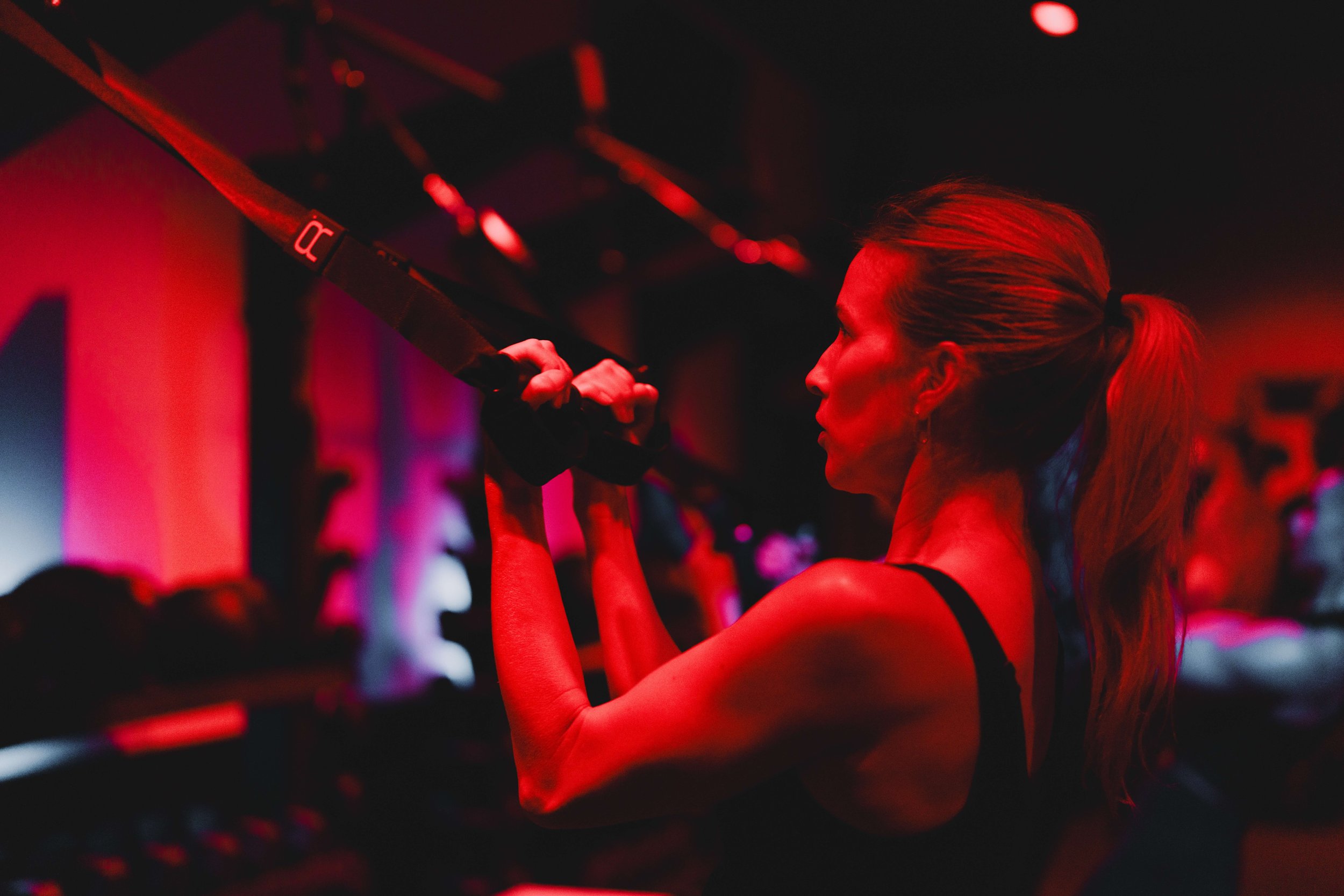
FORM 21: a system designed to help habits stick
The goal is not a quick transformation The goal is exposure. Twenty-one days of full access.
Training, recovery, classes, and support under one roof.
We created FORM 21 as an introduction, not a challenge. Twenty-one days of full access to training, recovery, classes, and support, all in one place. The goal is not a quick transformation or a dramatic reset. The goal is exposure. To experience what it feels like when your workouts feel guided, recovery is readily available, the environment supports consistency, and the pressure comes off. Three weeks is enough time to feel the difference between forcing habits and building them, between pushing through and moving with intention.
In 21 days, you begin to notice:
How your body responds when recovery is built into your routine
Which types of movement feel sustainable, not draining
What tools actually support your energy and focus
How consistency looks and feels when the environment works with you
FORM 21 gives you the time, space, and structure to see what you can build, without rushing the process.
The year that sticks starts with one decision
+
The year that sticks starts with one decision +

starts with one decision
Not a resolution.
Not a reinvention.
Not a reset that depends on willpower.
Just a choice to put yourself in an environment that supports you.
Momentum does not come from intensity. It comes from repetition.
And repetition thrives in the right space.
If you are ready to feel better this week and keep going all year, we are here.
The year that sticks starts here.