
A new Season is approaching
In the Club
Vol. 4 · October 2026 · Santa Cruz Athletic Club
Hello October.
By now, fall routines are starting to feel normal again. Work is busy, school is in full swing, training schedules are taking shape, and the holidays are already on the horizon. This is also the point in the year when recovery can quietly start falling to the bottom of the list.
This month, we’re looking at recovery a little differently. Instead of waiting until you’re sore, exhausted, or feeling like you need a break, what happens when recovery becomes part of your normal routine?
A strong training week is not just about what you do during your workouts. It is also about how well you prepare yourself to come back for the next one.
Club Notes
Recovery Before You Need It
Most of us are pretty good at recognizing when we’ve pushed too far. Your legs feel heavy, sleep is off, motivation drops, or a workout that normally feels manageable suddenly feels harder than it should.
That is usually when we start thinking about recovery.
But recovery does not have to begin when you are already depleted. At SCAC, it can be part of your regular training rhythm. That might mean spending some time in the sauna after a workout, taking a lower-intensity class between lifting days, using contrast therapy after a demanding week, or scheduling an AURA session when you know your calendar is going to be particularly full.
You do not need to use every recovery tool available to you. The goal is to start noticing what helps you feel better between sessions and what makes it easier to return to your training consistently.
This October, try scheduling one recovery session at the beginning of the week, right alongside your workouts.
The Lift
October’s workout is built around something that can easily get overlooked when training gets busy: movement quality.
Rather than racing through sets or chasing fatigue, focus on controlling the weight and maintaining good positions throughout each movement. You should finish feeling like you trained, but still have something left for the rest of your week.
This week, we are hyper-focusing on getting comfortable with the kettlebell.Simple, easy, and effective.If you'd like help getting more comfortable with these movements, see one of our SEC coaches for further assistance.
The October Strength + Control Session
Programmed by the SCAC training team
Block A | Squat + Pull (deep squat pattern)
3 rounds
Superset 1
Goblet Squat, 3 × 8 to 10. Kettlebell held at your chest by the horns, 8 to 12 kg (18 to 26 lb). Elbows point down, chest stays tall.
Deep Squat Hold with Thoracic Reach, 4 slow breaths per side (mobility).
Level up: 3-second lowering, then a 2-second pause at the bottom. After that, go up a bell size.
Superset 2
Supported Single-Arm Kettlebell Row, 3 × 10 per side. One hand on a bench, 8 to 12 kg (18 to 26 lb). Pull your elbow toward your back pocket.
Half-Kneeling Kettlebell Halo, 5 each direction (shoulder mobility, same area).
Level up: pause 1 second at the top of every row.
Block B | Hinge + Carry (active straight leg raise and rotary stability)
3 rounds
Superset 1
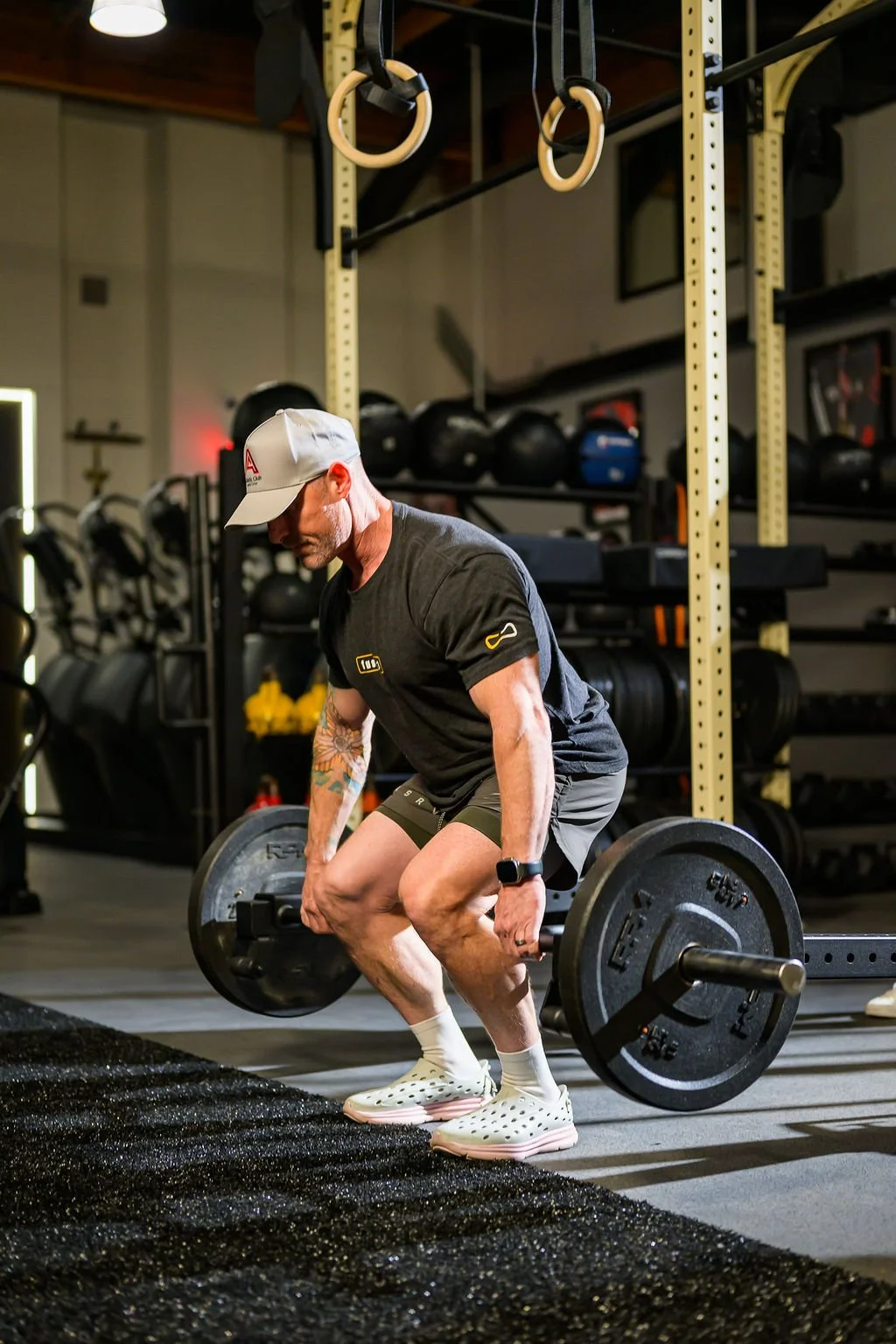
Kettlebell Deadlift, 3 × 8. Bell between your feet, both hands on the handle, 12 to 16 kg (26 to 35 lb). Hips back, flat back, stand up by squeezing your glutes.
Active Straight Leg Raise, 6 per side (mobility). Use a band or a strap around the foot if you have one.
Level up: move to a Romanian deadlift (bell starts at the hips, lowers to the shins), or go single-arm suitcase deadlift.
Superset 2
Suitcase Carry, 3 × 30m per side. 12 to 16 kg (26 to 35 lb). Stand tall, no leaning toward the bell.
Bird Dog, 3 × 6 per side (core and rotary stability). Slow, with a 2-second hold at full reach.
Level up: heavier carry, and switch to a rack carry (bell at your shoulder) on the last round.
Block C | Split Stance + Press (inline lunge and shoulder mobility)
3 rounds
Superset 1
Goblet Split Squat, 3 × 8 per side. Back knee lowers straight down, 8 to 12 kg (18 to 26 lb).
Half-Kneeling Ankle Rock, 8 per side (mobility).
Level up: raise the front foot on a low plate, or hold the bell in the rack position on one side only.
Superset 2
Half-Kneeling Single-Arm Overhead Press, 3 × 6 per side. Start light, 4 to 8 kg (9 to 18 lb). Squeeze the glute on the kneeling side so your ribs don't flare.
Quadruped Thread-the-Needle, 6 per side (thoracic mobility).
Level up: move from half-kneeling to standing, then try a bottoms-up hold (bell upside down) for a few seconds.
The Finish | 6 minutes
Alternate each minute for 3 rounds:
Minute 1: 10 two-hand kettlebell swings, 12 to 16 kg (26 to 35 lb). Snap the hips, arms just hang on. If swings still feel shaky, do 10 kettlebell deadlifts instead.
Minute 2: 6 to 8 push-ups with hands on a bench or box (trunk stability push-up pattern).
Level up: lower your hands a little each week until you're on the floor.
You should finish feeling like you worked, not like you emptied the tank. Leave a rep or two in reserve on everything.

The Lounge
Training creates the demand. Recovery gives your body time to respond to it.
Hot, Cold, Repeat
Contrast therapy alternates periods of heat and cold, and there are several ways to experience it at SCAC. Depending on your membership, you can use sauna and cold therapy in the locker rooms, visit the Spa Group Contrast space, or book time in the Private Contrast Room inside AURA.
But you do not need to wait for an especially hard workout to make recovery part of your day.
Start with the heat
For many people, one of the benefits of using the sauna after training is simply creating a transition. Instead of finishing your last set, grabbing your things, and immediately moving into the next part of your day, you have a few minutes to slow down.
That can be especially useful during a busy season when there is rarely much space between one responsibility and the next.
Then comes the cold
Cold brings a very different experience. Rather than treating a cold plunge as a test of how long you can stay in, approach it intentionally. Stay controlled, pay attention to your breathing, and notice how your body responds.
Contrast does not need to be extreme to become part of a recovery ritual.
Recovery is not something you have to earn
It is easy to associate recovery with your hardest workouts. But an ordinary Tuesday is also a perfectly good time to take care of yourself.
Think about recovery as preparation for what comes next. That might be tomorrow’s workout, a demanding workday, a weekend outside, or simply having enough energy left for the people and things that matter to you.
Over time, that is the bigger goal: creating a routine that helps you continue doing the things you enjoy.
The Class Pass
This month’s class picks show two very different ways to use your time at SCAC. One gives you a structured opportunity to work hard. The other creates space to deliberately slow things down. A good training week can have room for both.
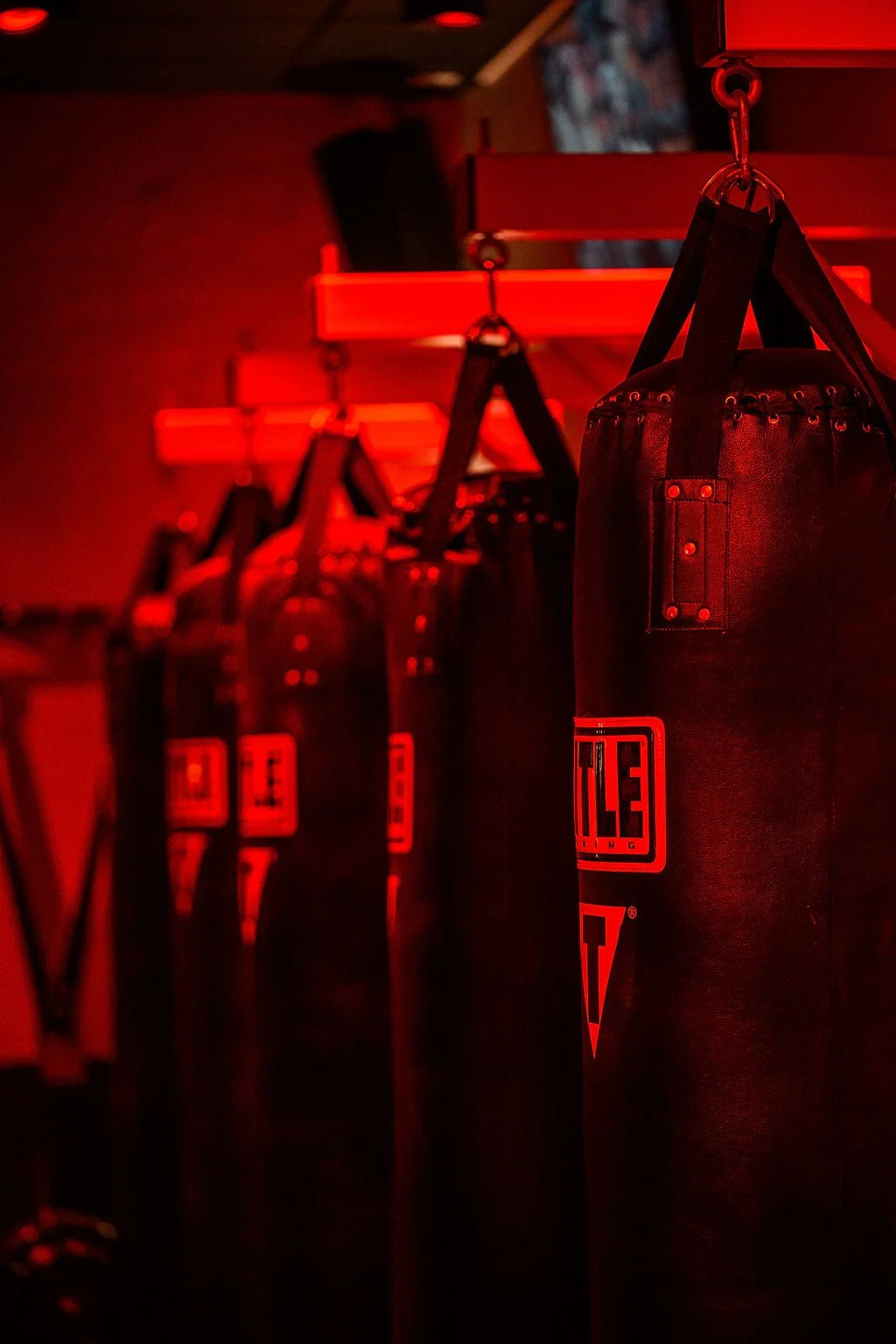
RedRoom Hyb-red HIIT
RedRoom · All Levels
Hyb-red HIIT blends traditional strength exercises with high-intensity interval training, creating a session that challenges both strength and conditioning.
And if a midday workout fits your schedule better, Monday 12:15 PM classes are back. It is another opportunity to get your training in at the start of the week without having to squeeze it into the early morning or evening.
Show up, follow the programming, and focus on the work in front of you. Then remember that a demanding session deserves some space around it. Pair higher-intensity days with lower-intensity movement or recovery throughout the rest of your week.
Mondays at 12:15 PM. Hyb-red HIIT is back on the schedule.
Yin Yoga
Heated Studio · All Levels
Yin Yoga takes a different approach. The class uses longer-held, passive stretches with an emphasis on connective tissues and joints.
If much of your week is spent lifting, running, taking HIIT classes, or simply moving at a fast pace, Yin gives you an opportunity to spend an hour doing something deliberately slower.
The goal this month is not to decide whether intensity or recovery is better. It is to get more comfortable using both.
The Team
Good coaching is not always about encouraging you to do more. Sometimes it is about helping you move with more awareness, understand what your body is telling you, and develop a practice you can maintain.
This month, we’re highlighting Thomas Sakoda and Mara Ruth, two instructors who bring that perspective into their classes in different ways.
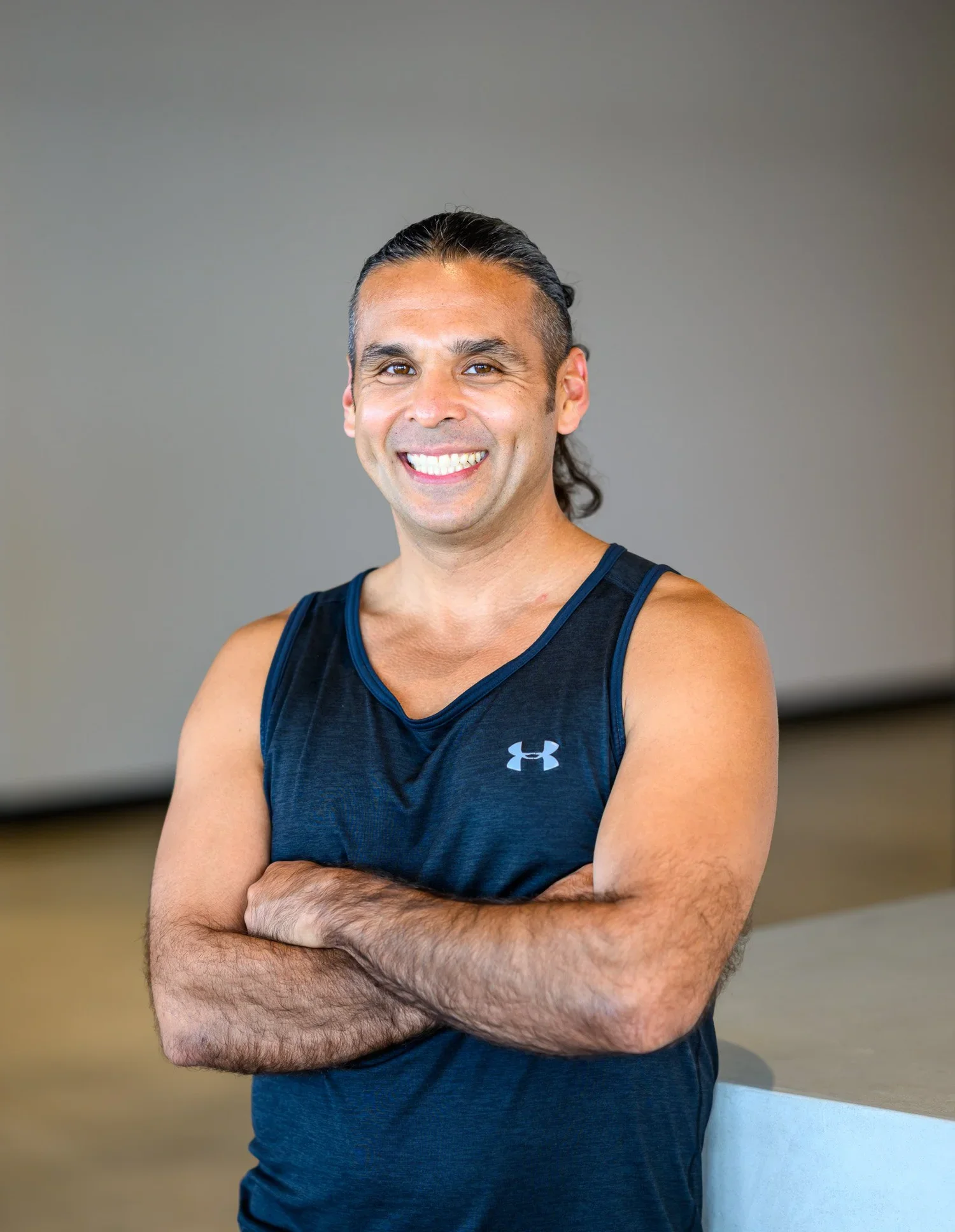
Thomas Sakoda
Yoga Instructor
Thomas brings a wide-ranging movement background to his teaching, including yoga, Pilates, personal training, athletics, and weight training. He teaches Vinyasa, 26&2, Restorative, and Yin yoga, giving him experience on both the active and restorative sides of movement.
That combination shapes an approach where strength and recovery do not need to compete with each other. Someone who enjoys lifting or higher-intensity training can also benefit from slowing down, improving body awareness, and spending more time focused on movement quality.
Thomas’s classes offer members an opportunity to explore that balance. For a month focused on making recovery part of the plan, his approach is a useful reminder that recovery does not always mean stopping movement. Sometimes it simply means choosing a different kind of movement.
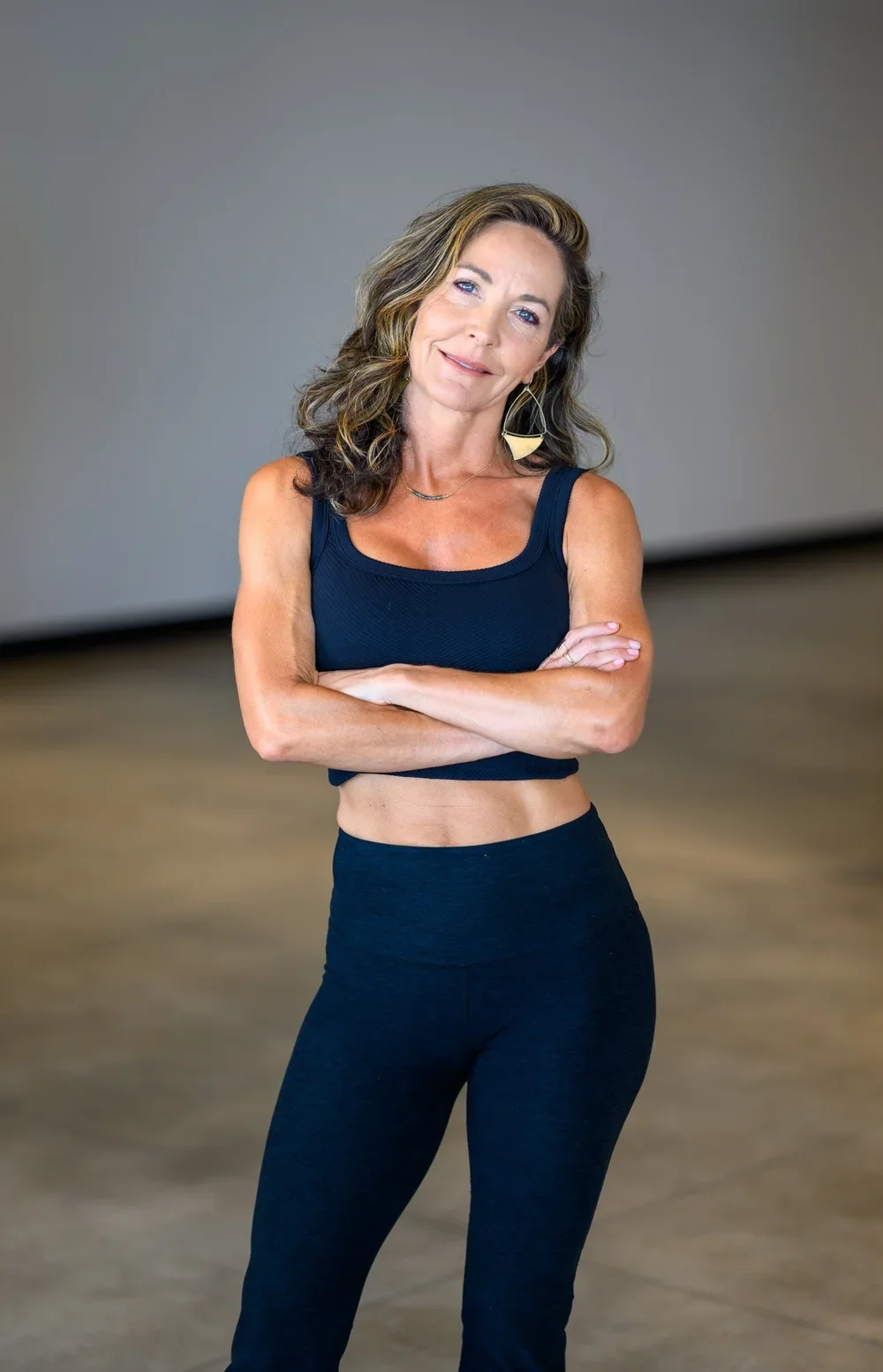
MARDI PRICE
Yoga/ Sculpt Instructor
Mardi’s journey into movement began in her teens and has evolved through motherhood and beyond. What started as a way to stay in shape quickly became the foundation of her personal growth and overall well-being. Today, she’s passionate about helping others discover that same connection to strength, purpose, and self-confidence.
Certified through ISSA as a Personal Trainer since 1996 and a 200-hour Hatha Yoga teacher through Yoga Alliance since 2020, Mardi brings decades of experience to her classes and training sessions. She has led Hot Pilates and Yoga Sculpt in heated environments for several years, creating space for both physical transformation and inner clarity.
You’ll find Mardi teaching in the studio or connecting with clients on the gym floor. She’s also a proud mom to two incredible athletes and finds joy in nature, art, and sharing meaningful moments with loved ones.
Ask a SCAC Coach
QUESTION: "How do I know when I need a recovery day instead of another workout?"
ANSWER: Start by looking for patterns rather than reacting to one bad day. Everyone has workouts that feel harder than expected, but if your normal weights consistently feel unusually heavy, you are carrying soreness from one session to the next, your sleep has been off, or you feel mentally drained before you even start, it may be worth adjusting your plan.
That does not necessarily mean doing nothing. Recovery can still include movement. Take a walk, try Slow Flow or Yin, spend some time on mobility, use the sauna, or schedule a recovery session.
The goal of training is not to win every individual workout. It is to create enough consistency that you can continue showing up over time.
Try This: Recover Before You're Wrecked
For the next four weeks, try scheduling recovery before your body forces you to take it.
Pick one intentional recovery practice each week:
Week 1: Sauna + mobility
Week 2: Contrast therapy
Week 3: Yin or Slow Flow
Week 4: Explore an AURA recovery session
Keep your normal training schedule around it. At the end of the month, think about how your body felt between workouts, what your energy was like, and whether you looked forward to training differently when recovery already had a place on your calendar.
You do not need a complicated recovery protocol. Start paying attention to what helps, and repeat the things that do.
Frequently Asked Questions
-
No. Recovery does not have to be a reaction to soreness. Lower-intensity movement, rest, and intentional recovery practices can all be part of a normal training routine.
-
Depending on your membership and booking, SCAC offers infrared sauna and cold therapy, Spa Group Contrast, Private Contrast Therapy, red light therapy, vibroacoustic experiences, mild hyperbaric oxygen therapy, massage, and other AURA wellness services.
-
Yes. AURA recovery services are available to non-members, with individual sessions and package options available.
-
No. A recovery day might include lower-intensity movement, mobility work, yoga, walking, sauna, or a dedicated recovery session. The right choice depends on your training and how you feel.
-
Contrast therapy involves alternating exposure to heat and cold. SCAC offers multiple ways to experience contrast, including locker room recovery amenities, Spa Group Contrast, and the Private Contrast Room inside AURA.
-
Use them. A short mobility session, sauna, easy movement, or some quiet time after training can still create a useful transition between your workout and the rest of your day.
-
There is no universal schedule. Training frequency, intensity, sleep, stress, age, and your individual goals all matter. A simple place to start is adding one intentional recovery session to your week and noticing how your body responds.
October does not need to be about doing less. It can simply be about being more intentional with the way you balance effort and recovery.
Keep training and keep moving, but give recovery a place on the calendar too. The goal is not just to feel good after today’s workout. It is to build a routine that keeps you feeling capable, strong, and ready for what comes next.
Train well. Recover well. Keep going.
